What to Pack for an Aruban Desert Adventure
Exploring the northern coast of Aruba, specifically the desolate perimeter of the Bushiribana Gold Mill Ruins, demands a departure from standard tropical packing logic. The region is defined by a harsh microclimate where the Atlantic trade winds, averaging 15 to 25 mph, collide with a landscape of jagged “ironshore” and high-reflectivity limestone. This environment creates a unique set of physical challenges, from aerosolized salt-creep to intense ground glare, that can compromise both comfort and safety if approached with typical beach gear.
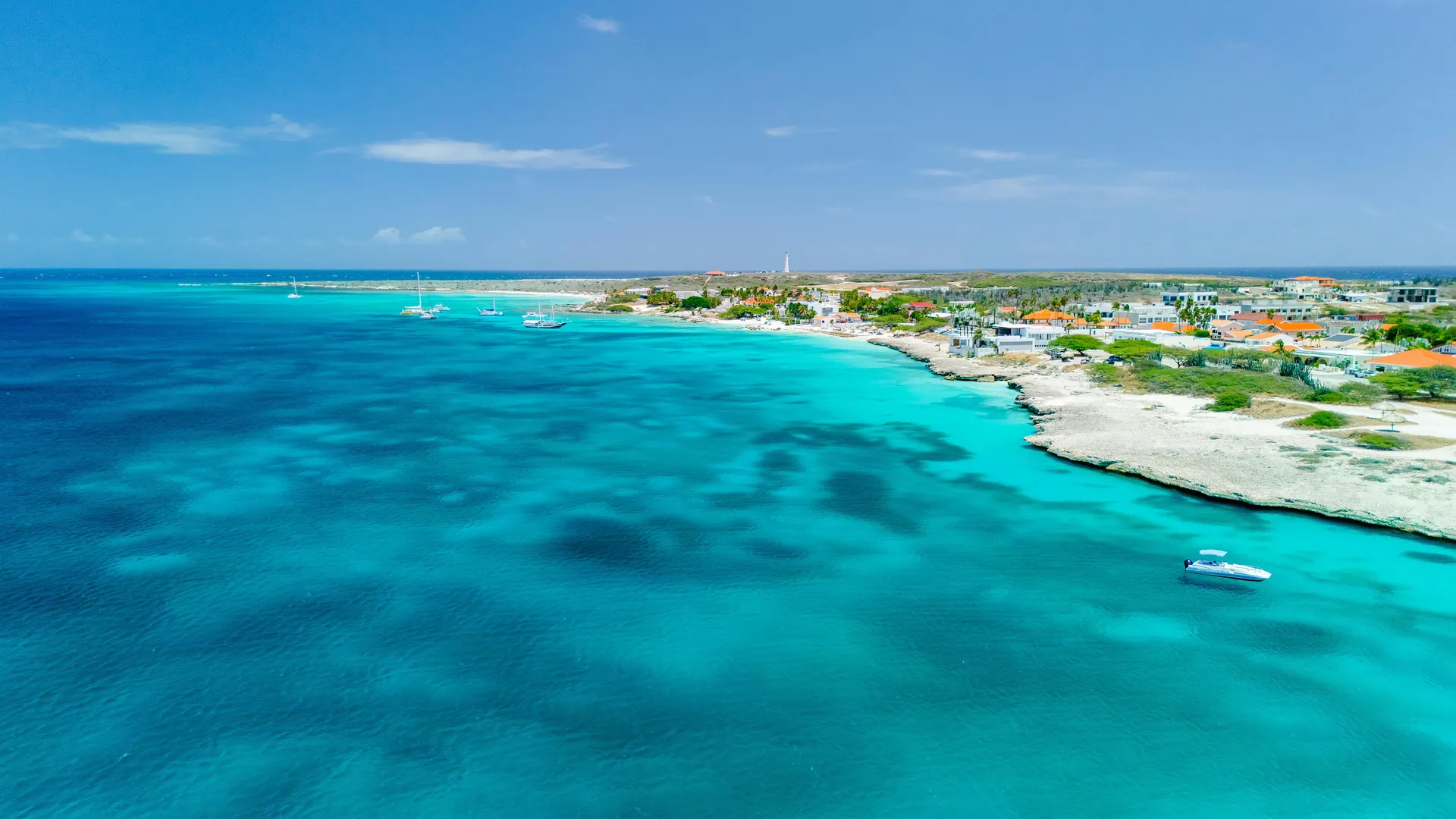
The North Coast Microclimate: Why Specialized Gear is Mandatory
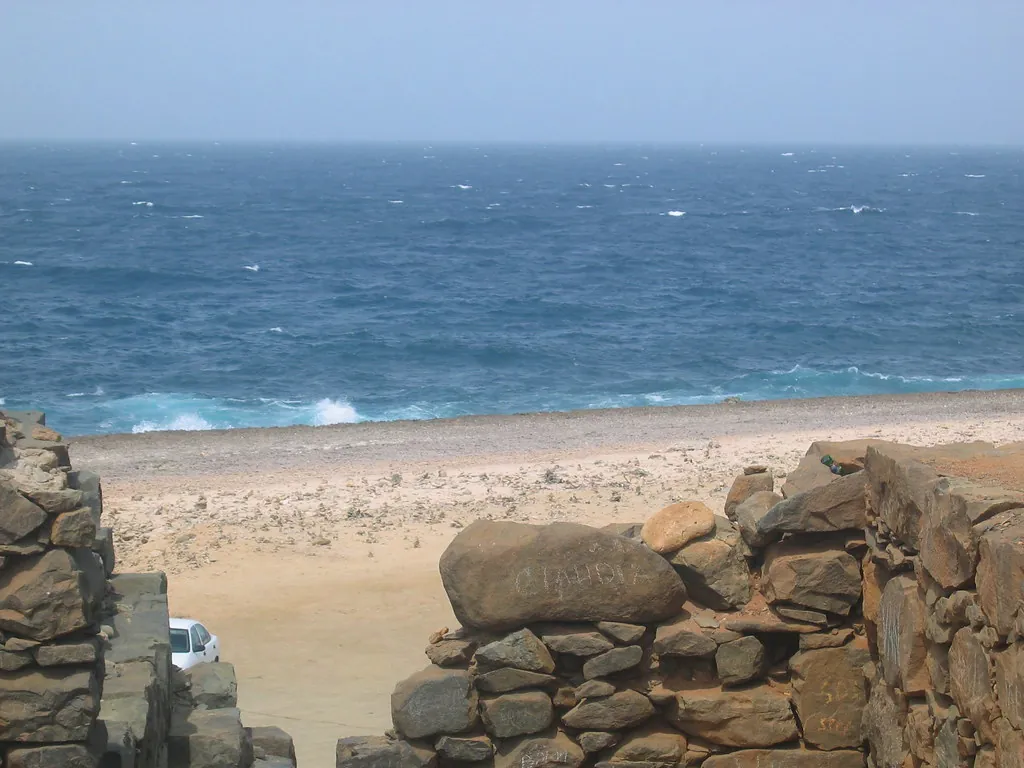
The transition from the leeward side of the island to the windward north coast is abrupt. While the resort areas are shielded, the ruins are entirely exposed to the trade winds and an unfiltered UV index that frequently exceeds 11. This isn’t just about heat; it is about the intersection of high-velocity air and solar radiation. The wind provides a deceptive cooling effect, masking the sensation of skin damage until the burn is significant. Furthermore, the terrain transitions from soft quartz sand to sharp karst limestone and volcanic igneous rock, a surface local geologists call “ironshore.”
The ‘Ironshore’ isn’t just a name; it’s a geological reality. The transition from volcanic igneous rock to sharp karst limestone can shred standard footwear in a single afternoon and poses a constant puncture risk to those unprepared.
Footwear Specifications for Volcanic and Karst Terrain
The Puncture Risk
Standard foam-soled sneakers or flip-flops are dangerously insufficient for the north coast. The weathered limestone around Bushiribana often forms needle-like points capable of piercing thin rubber. A puncture-resistant sole, ideally reinforced with a composite plate or thick Vibram lugging, is essential. For those navigating the coastal geology, trail runners with a high-wrap toe bumper provide the necessary protection against lateral scrapes on jagged rock.
Grip on Dusty Surfaces
The trade winds constantly deposit a fine, silty layer of limestone dust over the rocks. This creates a deceptive slip hazard on otherwise solid surfaces, particularly within the interior of the smelter. Deep-lugged footwear is required to maintain traction on these wind-swept surfaces. When planning your essential visitor planning, prioritize footwear that handles multi-directional movement on loose, dry scree.
Advanced Eye Protection and Ground Glare Management
The white limestone ruins and the surrounding quartz sand create a “snow blindness” effect. This intense upward reflection can lead to significant eye strain and temporary vision impairment within thirty minutes of exposure. Unlike standard urban environments, the UV here hits from both the sky and the ground. Technical polarized lenses, specifically Category 3 or 4, are required to neutralize this intense glare and provide high-contrast visibility when navigating uneven rocky paths.
With trade winds averaging 15-25 mph, unsecured sunglasses are frequently lost to the ocean or deep rocky crevices. Floating neoprene straps are the only way to ensure your eyewear stays on your face during high-velocity gusts.
Battling the Trade Winds: Hair and Face Management
Visibility is a safety factor when climbing the interior of the architectural stone fortress. Constant wind can make loose hair a physical hazard, obscuring sightlines during critical steps on the ruins’ uneven stairs. Locals and seasoned explorers utilize the “Aruba Braid”—a tight, technical styling designed to keep hair pinned against the skull. Additionally, a “Buff” or neck gaiter is a multi-purpose tool; it protects the neck from UV rays and serves as a filter against wind-blown silt during UTV/ATV transit between Bushiribana and the nearby attractions like the Natural Bridge.
| Category | Recommended Item | Technical Reasoning |
|---|---|---|
| Footwear | Vibram-soled Trail Runners | Puncture resistance against karst limestone and grip on silty rock. |
| Eye Care | Category 4 Polarized Lenses | Mitigation of “snow blindness” effect from white limestone glare. |
| Skin Protection | Zinc Oxide Sunscreen | Reef-safe compliance for nearby Natural Pool visits (requires $20 Arikok fee); stays on during sweat. |
| Hydration | 32oz Insulated Stainless Steel | Prevents water from reaching near-boiling temperatures in 45 mins. |
| Accessories | High-Tension Hair Ties | Prevents visibility hazards caused by 20mph trade winds. |
| Electronics | Silica Gel Packets | Absorbs aerosolized brine to prevent salt-creep corrosion. |
Hydration Chemistry in the Aruban Heat
Aruba’s tap water is world-class, produced through a sophisticated desalination process at the WEB plant. However, this water is high in mineral content, and when combined with extreme heat and rapid perspiration, it can lead to mineral imbalances. To maintain proper hydration while exploring the Aruban gold rush chronicles, visitors should supplement their water with electrolyte powder packets. Standard plastic bottles are inadequate here; within 45 minutes of exposure to the north coast sun, water in uninsulated containers often reaches temperatures exceeding 100°F (38°C). A 32oz vacuum-insulated stainless steel bottle is the only viable method for keeping water potable throughout the afternoon.
Electronics Protection: Defending Against Salt-Creep
The north coast features high-velocity trade winds carrying aerosolized brine (salt spray). This mist is highly corrosive and can penetrate even minor seams in non-waterproof electronics, causing “salt-creep” that destroys circuit boards over time. If you are bringing DSLR cameras or non-waterproof drones to capture the ruins, store them in heavy-duty Ziploc bags with silica gel packets when not in use. After your visit, it is critical to wipe down all gear with a slightly damp microfiber cloth to remove salt residue before returning to your hotel.
Join a Guided North Coast Adventure
If you lack the specialized gear or a 4WD vehicle, joining a professional excursion is the safest way to experience the rugged windward coast. Many of these tours depart from the Oranjestad area—since the public Arubus system (standard fare $3.00 USD) does not service the ruins—and provide the necessary transit to reach the more remote sections of the island safely. You can find detailed transport instructions for reaching these departure points from the cruise port or airport.
North Coast Packing FAQ
Are standard sneakers acceptable for walking around the ruins?
While they are better than flip-flops, standard foam-soled sneakers are often too soft to withstand the jagged karst limestone. The sharp edges of the “ironshore” can easily tear through thin soles, so a puncture-resistant trail runner or hiking shoe is highly recommended for safety.
Do I really need specialized sunscreen for this area?
Yes, Aruba strictly banned Oxybenzone in 2020 to protect the local reef systems, particularly near the Natural Pool and north coast. You must pack mineral-based sunscreens containing Zinc Oxide or Titanium Dioxide to comply with local environmental regulations and provide better protection against the intense UV rays.
Why is an insulated water bottle emphasized so much?
The ambient heat combined with direct solar radiation on the black volcanic rocks creates an oven-like effect. In our testing, water in a standard plastic bottle became uncomfortably hot to drink in less than an hour, whereas vacuum-insulated steel maintains a safe, refreshing temperature for the duration of a trek.
What is the abrasive dust found on the north coast and why should I care?
This is fine limestone and volcanic silt found throughout the island’s interior, often kicked up by the trade winds or passing UTVs. It can act like sandpaper on camera lenses and cause significant respiratory irritation, which is why many visitors wear a neck gaiter or “buff” while exploring the sightseeing trails.
Is a 4×4 vehicle required even if I have the right gear?
While you can technically reach the Bushiribana ruins in a standard sedan if you are extremely careful, the roads are unpaved and prone to sharp rocks. For a safe trip, especially if you plan to continue to the Natural Bridge or Arikok National Park (which requires a $20.00 USD entrance fee as of 2026), a 4WD vehicle is the professional recommendation. See our Aruba Driving Guide for more nuanced advice on vehicle selection.
Can I find food or water at the ruins if I forget mine?
While entry to the ruins themselves is free, there are no permanent structures or shops at the site. Mobile snack trucks occasionally park nearby during peak hours selling “pastechis” and cold sodas, but they are not a guaranteed resource. You should always consult our Refreshments Guide and arrive self-sufficient with your own hydration.