The Remote Culinary Landscape: Managing Expectations on the North Coast
The Bushiribana Gold Mill Ruins stand on a desolate stretch of Aruba’s northern shoreline, a region defined by its exposure to the relentless northeast trade winds and the high-energy waves of the Caribbean Sea. Unlike the manicured resort strips of Palm Beach or the bustling commercial center of Oranjestad, the geography here is characterized by limestone terraces and volcanic debris. This environmental austerity extends to the local infrastructure; there are no permanent brick-and-mortar restaurants, electricity grids, or running water facilities at the site. Visitors expecting a traditional café or a sheltered dining hall will find instead a landscape that rewards self-sufficiency and an appreciation for Aruban mobile entrepreneurship.
The absence of permanent buildings is a direct result of the site’s status as a protected historical landmark and its geographical isolation. To provide refreshments in a climate where temperatures regularly exceed 90°F (32°C), a unique mobile vendor tradition has emerged. Independent Aruban entrepreneurs navigate the rugged unpaved roads—often discussed in our guide to north coast driving—to station colorful snack trucks and modified vans near the ruins. These mobile units are the primary source of hydration and caloric intake for those who haven’t packed their own supplies. They serve as vital outposts, offering a glimpse into the handheld food culture that sustains locals working in the island’s interior.
Timing is critical when planning a visit for food. These vendors typically operate on a rhythm dictated by tour group arrivals and the solar cycle. You will most likely find trucks stationed at the ruins between 10:00 AM and 4:30 PM. Before or after these hours, the site returns to its natural state of isolation. If you are arriving early to capture the sunrise against the architectural masonry of the smelter, you must carry your own water, as the physical exertion of climbing the ruins in the high-humidity environment can lead to rapid dehydration.
Logistics: Dining on the North Coast
| Option Type | Availability | Strategic Value |
|---|---|---|
| Mobile Snack Trucks | Daily (Peak Hours) | Immediate hydration and authentic handheld “Pastechis.” |
| Natural Bridge Snack Bar | Daily (9:00 AM – 5:00 PM) | The only air-conditioned refuge and source of 1.5L water bottles. |
| Huchada Bakery (Santa Cruz) | Mon-Fri (6am-8pm), Sat (6am-7pm), Sun (6am-2pm) | Ideal for “Picnic Packs” of mini-pastechis and local sweets. |
| Urataka Center | Daily (10:00 AM – 11:00 PM) | Hearty sit-down meals (Pizza/Burgers) at the desert’s edge. |
The Quintessential Aruban Snack: Pastechi Varieties
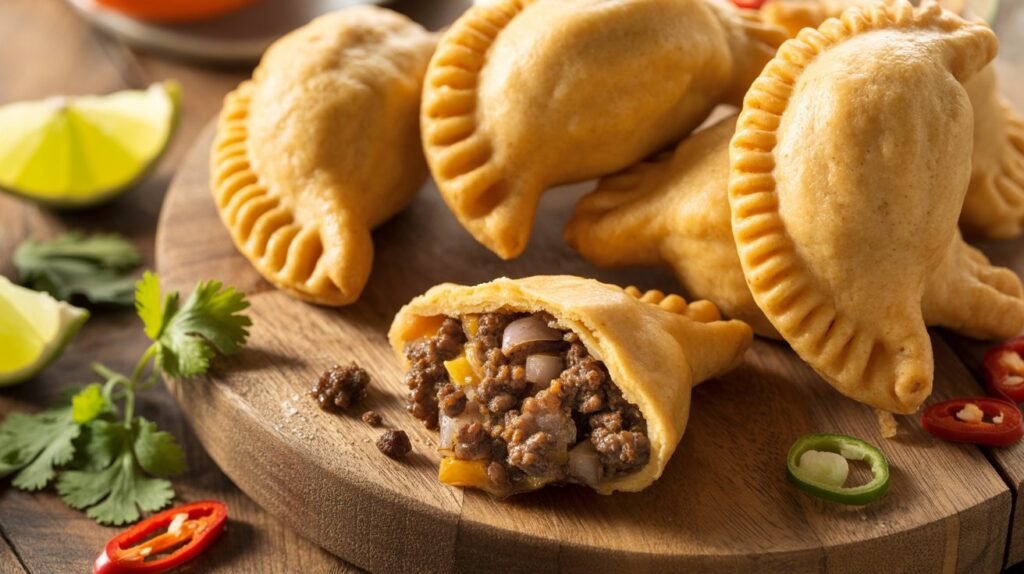
The pastechi is the undisputed staple of the Aruban diet, a crescent-shaped, deep-fried pastry that traces its lineage through the culinary intersections of the Caribbean and Dutch influences. At the snack trucks near Bushiribana, these are not mere appetizers but dense, energy-rich meals designed for portability. The dough is slightly sweet, providing a functional contrast to the savory, often spicy fillings within. For those exploring the sightseeing opportunities at the mill, the Pastechi Karni is the standard choice. It features ground beef seasoned with a complex profile of cumin, onions, and the surprising, briny pop of capers—a flavor hallmark of the ABC islands.
For a more hyper-local experience, seek out the Pastechi Pisca. This variant utilizes salted fish, a preservation method historically significant in the Caribbean before modern refrigeration. The fish is soaked, shredded, and sautéed with local peppers and annatto, resulting in a maritime flavor profile that reflects the island’s coastal heritage. To complement these fried delights, vendors often serve pan bati, which translates literally to “smashed bread.” This cornmeal pancake is cooked on a heavy griddle, resulting in a dense, porous texture that is perfect for absorbing the oils of the pastechi or the heat of local sauces.
Pica di Papaya: The Essential Heat Profile
If you purchase food from a truck at the ruins, you will inevitably be offered Pica di Papaya. This is not a standard vinegar-based hot sauce found in American supermarkets; it is a thick, fruit-based condiment that represents Aruban agricultural ingenuity. The base consists of unripened green papaya, which provides a bulky, fibrous texture, fermented or mixed with onions, vinegar, and the formidable habanero pepper (locally known as pica). The heat profile is intense, often reaching the upper limits of the Scoville scale, but it is tempered by the subtle sweetness and acidity of the papaya.
Local Tip: Use Pica di Papaya sparingly on your first attempt. It is traditionally used to cut through the richness of fried foods, providing a sharp acidic counterpoint that refreshes the palate in the coastal heat.
Understanding the utility of this sauce is key to enjoying Aruban cuisine. In the 90°F heat of the north coast, the capsaicin in the sauce induces thermogenesis, helping the body regulate temperature through perspiration. When applied to pan bati or a meat-filled pastechi, the sauce transforms a heavy snack into a balanced meal that provides the necessary sodium and energy to continue a regional tour of the surrounding attractions.
Traditional Cooling: The Art of Raspao and Local Juices
As you traverse the rocky terrain outlined in our essential planning guide, the primary challenge is the solar radiation. To combat this, Aruban vendors utilize the Raspao. This is not a machine-processed slushie but a handcrafted shaved ice. Vendors use a specialized metal plane to manually shave shavings from a massive, solid block of ice kept in a cooler. The resulting ice is coarser and more crystalline than a snow cone, allowing it to withstand the intense heat for several minutes longer. Niche local syrups include Tamarinde (tamarind), which offers a sour-sweet profile, and Goyaba (guava). For the ultimate local indulgence, ask for a drizzle of condensed milk on top to add a creamy texture.
Beyond shaved ice, look for Awa di Sorsaca. This milky-white juice is extracted from the pulp of the soursop (guanabana) fruit. It is highly prized in Aruba for its supposed cooling properties and high vitamin C content. If you prefer a more interactive refreshment, vendors often have Awa di Coco (fresh coconut). These are typically harvested from the island’s interior plantations. Once the vendor hacks off the top with a machete and you consume the water, do not discard the shell. Request that they “crack the nut” so you can eat the vlees—the tender, jelly-like meat inside—using a shard of the husk as a natural spoon.
Nearby Dining: Santa Cruz & The Natural Bridge
For those who require a more substantial or climate-controlled dining experience, a short drive from the mill leads to a few strategic locations. The Natural Bridge Snack Bar is the closest facility. While it primarily serves as a gift shop, its strategic importance cannot be overstated: it is one of the only buildings on the north coast with high-capacity air conditioning. They serve an “Aruban Platter” featuring Keri Keri, a dish of shredded white fish sautéed with peppers and annatto. It is also the best place to stock up on large 1.5L bottles of desalinated tap water before heading deeper into the Arikok National Park.
Further inland, in the town of Santa Cruz, lies Huchada Bakery. This establishment is housed in a traditional “Cunucu” style building, mirroring the historical era of the Aruban Gold Rush. Locals stop here to purchase “Bushiribana Picnic Packs,” which consist of dozens of mini-pastechis and meat croquettes. Huchada is also famous for Bolo di Pretu (Black Cake), a heavy, fruit-filled cake soaked in rum and spices. It is a calorie-dense snack that provides a sustained energy release for hikers and explorers.
Finally, the Urataka Center, located on the main road to the Arikok National Park entrance (Route 4), serves as the gateway to the “bush.” Known among residents for having some of the best pizza and burgers on the island, it offers a relaxed, sit-down atmosphere where you can decompress after the wind-whipped experience of the ruins. Their menu is a mix of Aruban staples and international comfort food, making it an ideal final stop for families who have spent the day navigating the unpaved coastal roads.
Frequently Asked Questions
- Are there any vegan or vegetarian food options at the Bushiribana ruins?
Vegetarian options are generally limited to Pastechi Keshi (cheese) or fresh fruit like coconuts. While some trucks may occasionally offer a vegetable-filled pastry, the traditional Aruban snack culture is heavily focused on meat and seafood, so vegans should consider packing their own supplies from a supermarket in Oranjestad. - Can I pay with a credit card at the mobile snack trucks?
Most mobile vendors at the ruins operate on a cash-only basis due to the lack of stable cellular data for processing terminals. It is highly recommended to carry small denominations of Aruban Florins or U.S. Dollars (accepted at a standard 1.75-1.80 rate), as vendors may not always have change for large $50 or $100 bills. - Is the tap water sold at the ruins safe to drink?
Aruba is home to one of the world’s most advanced desalination plants, and the tap water (often sold in bottles labeled ‘Awa’) is of exceptionally high quality and perfectly safe. In fact, many locals prefer the taste of Aruba’s desalinated water over imported international brands. - What is the best time of day to find the most food variety?
The peak variety usually occurs between 11:00 AM and 2:30 PM when the largest number of tour groups are visiting the site. During this window, you are more likely to find multiple trucks offering a full range of Raspao flavors, fresh juices, and hot pastechis. - Is it safe to eat the fish pastechis in the high heat?
Yes, Aruban vendors are well-versed in food safety for tropical climates, typically keeping their fillings in insulated, temperature-controlled containers before frying. The Pastechi Pisca uses salted or cured fish, which was historically developed specifically to withstand the Caribbean heat.