Driving in Aruba: A Guide to the North Coast
The Vibe: Navigating Aruba’s Desolate North Coast
Driving the north coast of Aruba is a stark departure from the manicured lawns and calm turquoise waters of the hotel high-rise district. Here, the landscape is a visceral mix of desert-like scrub, jagged volcanic rock, and a relentless Atlantic surf that pummels the shoreline. The atmosphere is one of rugged isolation and untamed beauty, where the air is perpetually thick with salt spray and the constant trade winds provide a howling soundtrack to your journey. It is an environment that demands respect—not just for its historical weight, but for the physical toll it takes on vehicles and drivers alike.
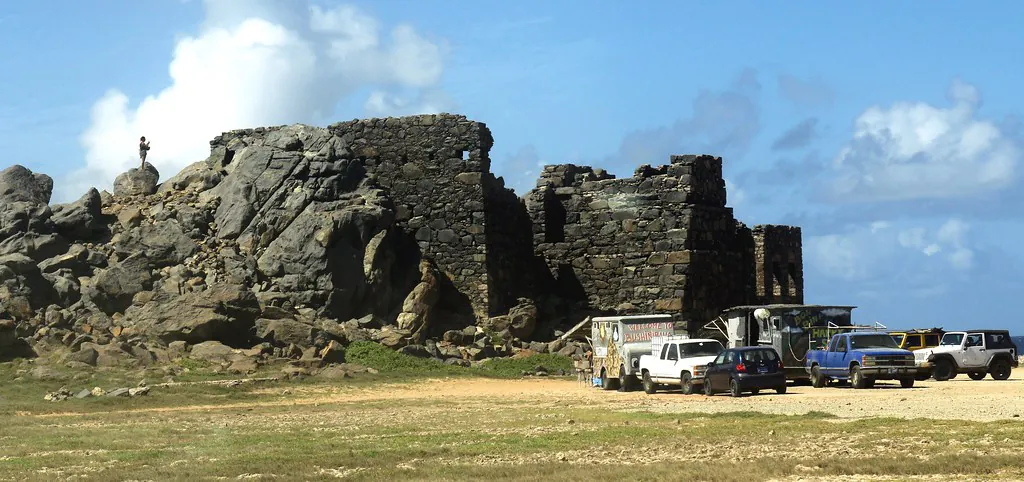
Exploring this region feels like a true expedition. Between the skeletal remains of 19th-century gold mills, which you can read about in our Bushiribana Overview, and the bright yellow sanctuary of the Alto Vista Chapel, you are navigating a terrain that shifts from soft white “caliche” dust to razor-sharp “ironstone” formations. There are no gas stations, few signs, and even fewer paved roads. It is a place for the adventurous spirit who prefers the spray of the ocean and the rattle of a 4WD over the convenience of a resort pool.
Essential Gear: The 4WD Requirement
While the primary roads in Oranjestad are well-maintained, the path toward the Stone Fortress of Bushiribana is a different beast entirely. You must secure a vehicle with high ground clearance and true four-wheel-drive capability. Rental agencies in Aruba often provide Suzuki Jimnys or Jeep Wranglers, but travelers must be aware of the “Off-Road Insurance Trap.”
Most local agencies include a specific clause that voids all insurance coverage the moment a vehicle leaves a paved surface. This means renters are often 100% liable for any towing fees—which can exceed $400 USD in remote areas—and undercarriage damage incurred between the Natural Bridge and the gold mill ruins. Before leaving the rental lot, check that your vehicle is equipped with a full-sized spare tire; the sharp volcanic ironstone that litters the coast is notorious for slicing through the sidewalls of standard “donut” spares.
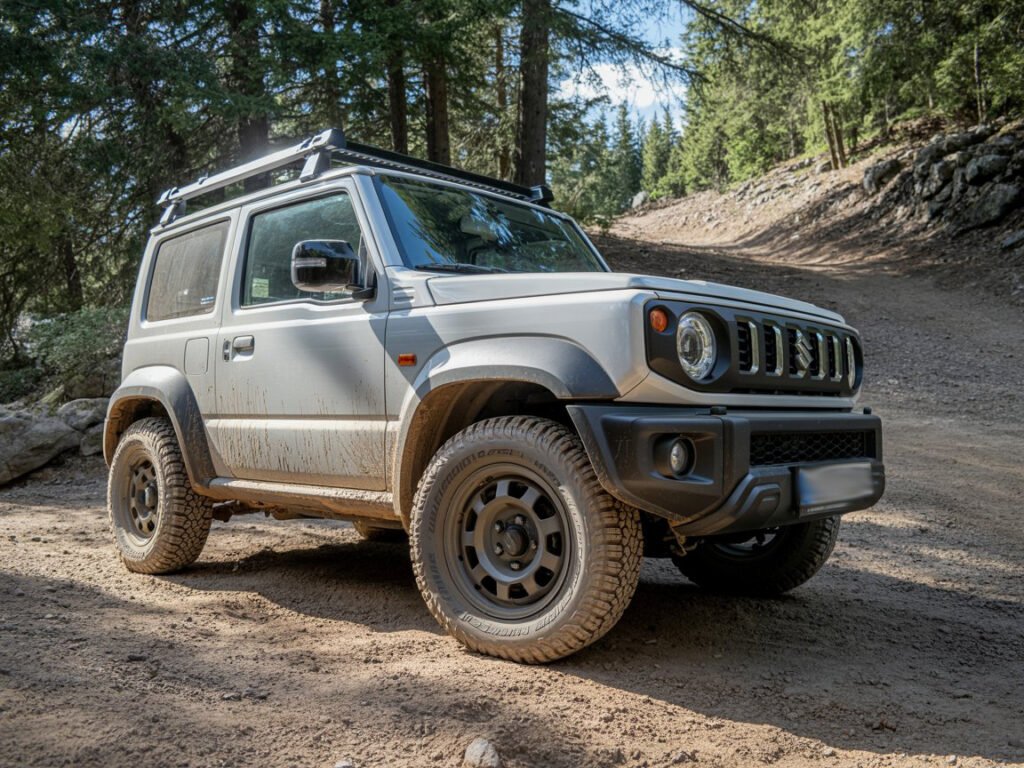
Pro Tip: Check your wiper fluid reservoir before heading north. The salt spray from the Atlantic crystallizes on windshields in minutes, creating a white crust that can blind you when driving toward the sun.
Terrain & Landmarks: Beyond the Pavement
The “Aruba Snow” Hazard
The white limestone dust, known locally as “caliche,” covers much of the northern tracks. While it looks like simple sand, it behaves like ice when it becomes damp from heavy salt spray or a passing tropical shower. This creates a slick, muddy slurry that reduces tire traction to near zero. Drivers should avoid sudden braking on caliche-heavy paths to prevent sliding toward the cliff edges.
Natural Bridge & Baby Bridge
The Natural Bridge ruins are a mandatory stop. Once the largest limestone span in the Caribbean, the main bridge famously collapsed on September 2, 2005. The debris remains in the surf, serving as a testament to the North Coast’s erosive power. Fortunately, the smaller “Baby Bridge” remains structurally sound, allowing visitors to walk across its coraline limestone span for a closer look at the churning Atlantic.
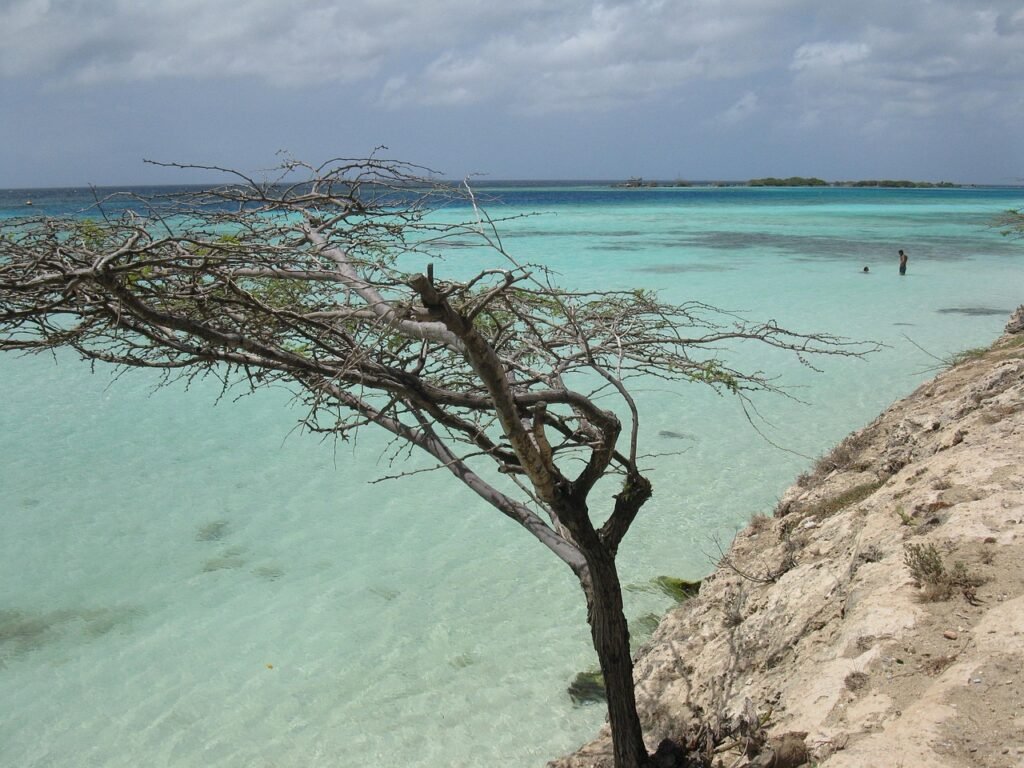
Further south, you will encounter Andicuri Beach. This sandy cove is framed by towering limestone cliffs and is a primary destination for local bodyboarders. Because the road is exceptionally rough and the currents are treacherous, it remains largely uncrowded. It is a perfect example of the “hidden” geography that defines this coast—reachable only by those who have prepared for the terrain.
Logistics: Navigation & Traffic Laws
Navigating the north coast requires more than just a GPS. Cell service from providers like SETAR or Digicel is notoriously spotty behind the hills of Santa Cruz, and Google Maps often fails to distinguish between an actual track and a “washout” (a dry creek bed). It is highly recommended to use offline mapping tools like Organic Maps or Maps.me.
While not a government law, there is a strictly followed “Clockwise” etiquette among local UTV and Jeep tour operators, which has become a formal one-way traffic recommendation in 2025. To avoid dangerous head-on collisions on the narrow, one-lane cliffside tracks, the standard practice is to drive from the Natural Bridge northwest toward Bushiribana. If you encounter a group of UTVs, it is common courtesy to pull over and let the larger tour pass.
Beware the Vader Piet winds: Along the exposed windward coast, crosswinds can exceed 30 mph. Maintain a firm two-handed grip on the steering wheel, especially in top-heavy vehicles like the Suzuki Jimny.
Be prepared for “Wild Donkey Roadblocks.” Near the transition between Bushiribana and the Alto Vista Chapel, wild donkeys often occupy the middle of the track. These animals are protected by local law; you must wait for them to move voluntarily. Honking or aggressive maneuvering is strictly discouraged and can result in significant fines if witnessed by park rangers.
The North Coast Survival Checklist
Before departing from the paved safety of the hotel zones, ensure your vehicle is stocked with these essentials. The remote nature of the north coast means help is often hours away if you break down. For a more exhaustive list of gear, consult our Packing Essentials Guide.
- Full-Sized Spare Tire: Ensure you have the tools (jack and lug wrench) to change it on uneven, rocky ground.
- Wiper Fluid: Essential for clearing the salt crust that accumulates within minutes of driving near the shoreline.
- Offline Maps: Download the Aruba map on Google Maps or Organic Maps before leaving your hotel’s Wi-Fi.
- Sturdy Footwear: The terrain around the Bushiribana ruins (which are free to enter as of 2026) is made of sharp volcanic rock; flip-flops are insufficient and dangerous.
- Extra Water: Bring at least two liters per person; the combination of high UV indices and drying trade winds causes rapid dehydration.
- Physical Sun Protection: The constant wind masks the heat, leading many to suffer severe burns before they realize they are overexposed.
Plan Your North Coast Adventure
If driving yourself feels too daunting, joining a guided tour is the most efficient way to see the history of the Aruban gold rush without risking your rental deposit. Expert guides handle the navigation through the trade winds and the treacherous caliche mud, allowing you to focus on the photography and the geography.
Frequently Asked Questions
Is it legal to drive on the beaches in Aruba? No, it is strictly prohibited by law to drive on any sand dunes or beaches to protect the nesting grounds of sea turtles and the fragile coastal ecosystem. Violators face heavy fines, and rental agreements are immediately voided if the vehicle is found on the sand.
Do I need an international driver’s license for Aruba? No, a valid driver’s license from your home country is sufficient to rent a vehicle and drive legally on the island. However, you must be at least 21 to 25 years old depending on the rental agency’s specific insurance policy.
How do I find the Bushiribana Gold Mill from Oranjestad? There is no public Arubus service to this region. The most direct driving route is via Route 4 heading toward the town of Santa Cruz, then following the signs for the Natural Bridge. For more specific directions from the airport or cruise port, visit our Detailed Navigational Guide.
Are there any gas stations on the north coast? There are no gas stations or commercial facilities once you leave the residential areas of Santa Cruz and Paradera. It is critical to have at least a half-tank of fuel before entering the rugged tracks near the coast.
What should I do if my vehicle gets stuck in the caliche mud? If you become stuck, avoid spinning your tires as this will only dig the vehicle deeper into the slurry. Use your floor mats for traction under the tires and contact your rental agency’s emergency number immediately, though be prepared for recovery fees ranging from $250 to $500 USD.