Mastering the Interior: A Gravity-Fed Architectural Journey
The Bushiribana Gold Mill Ruins are often viewed from a distance as a monolithic silhouette against the Caribbean Sea, yet the true technical brilliance of the site is only revealed once you step inside the stone perimeter. To explore the interior is to witness a 19th-century industrial machine frozen in stone. Built in 1872 by the Aruba Island Gold Mining Company, this mill was designed as a vertical processor. The engineers utilized the natural slope of the shoreline to create a “stepped” interior, where the force of gravity served as the primary engine for moving ore through the various stages of extraction.As you navigate the different levels, you are tracing the physical descent of raw Aruban stone. The process began at the highest tier, where raw quartz was deposited. From there, it moved downward into the crushing area—originally powered by steam-driven stamp mills—before reaching the lower processing floors. Walking these tiers provides a visceral understanding of the Aruban Gold Rush Chronicles, allowing visitors to visualize the intense heat and mechanical vibration that once dominated this now-silent structure. The floors are uneven, composed of packed earth and weathered stone, requiring visitors to maintain a high level of situational awareness to navigate the height transitions safely.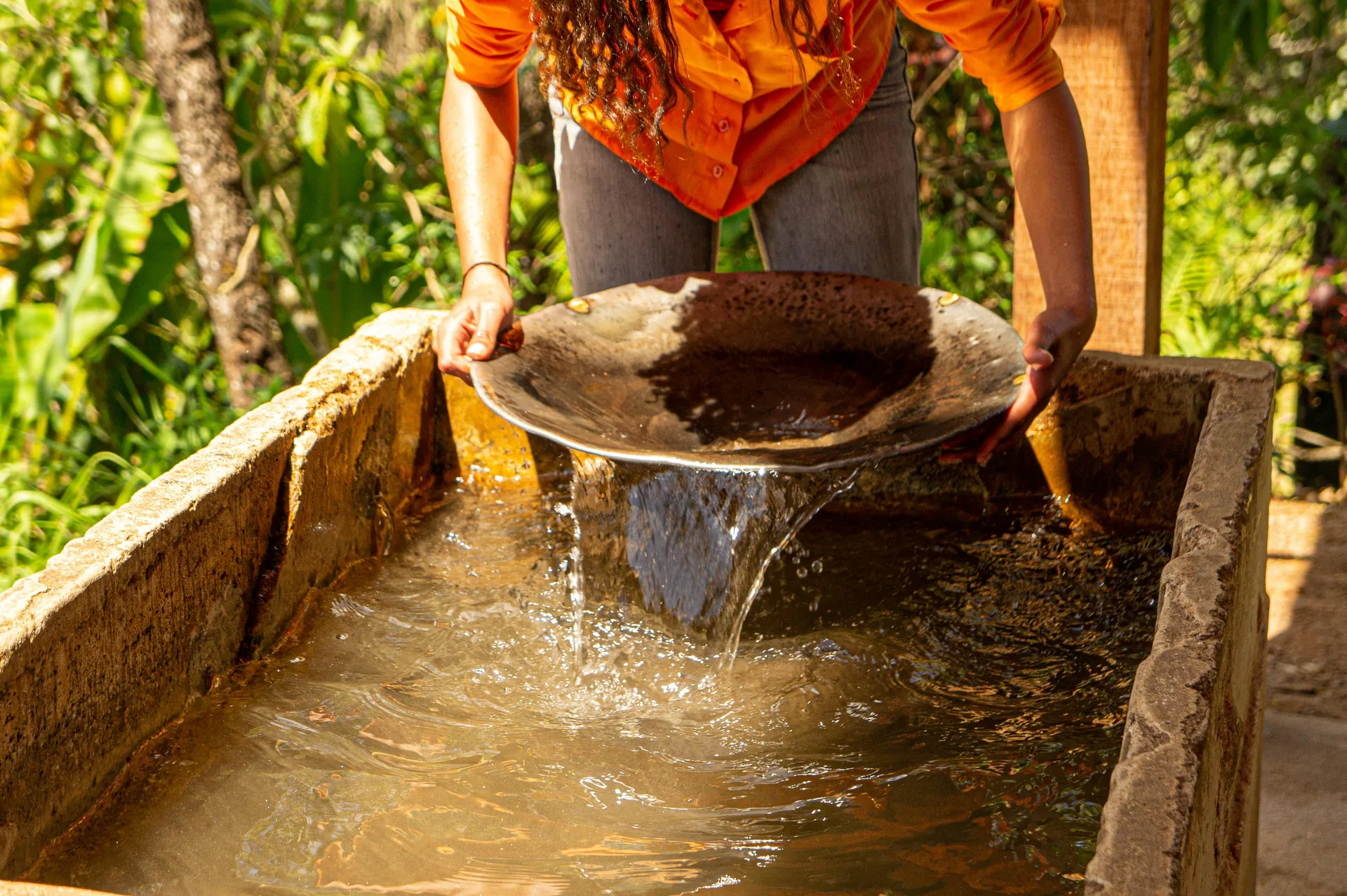
Sightseeing Quick Reference
| Feature | Activity Type | Best Time to Visit | Difficulty |
|---|---|---|---|
| Smelter Interior | Industrial Archaeology | 08:00 AM – 10:00 AM | Moderate (Uneven Terrain) |
| New Natural Pool | Swimming & Cliff Jumping | 11:00 AM – 02:00 PM | Strenuous (Metal Ladder) |
| Wishing Rock Gardens | Cultural Photography | 04:30 PM – Sunset | Easy (Flat Coastal Path) |
| Baby Natural Bridge | Geological Observation | Anytime | Easy (Walking Path) |
Historical Footprints: The Ore Ramp and Cornish Influence
The Rear Ore Ramp
Directly behind the primary fortress-like structure lies a critical piece of industrial infrastructure often overlooked by casual tourists: the remnants of the stone and earthen ore ramp. This incline was the primary artery of the mill. Horse-drawn wagons, laden with unrefined quartz hauled from the island’s interior mines, would ascend this ramp to deliver their cargo directly to the upper processing levels. Today, you can still trace the incline where heavy wheels once compressed the volcanic soil, providing a clear visual of the site’s logistical connection to the surrounding landscape.Industrial Gothic Aesthetic
The Architectural Mastery of Bushiribana is heavily influenced by the “Cornish Beam Engine” houses of the United Kingdom. This Victorian-era engineering style is characterized by tall, narrow profiles and massive masonry designed to house heavy machinery. This “Industrial Gothic” aesthetic creates a startling contrast against the horizontal turquoise of the Atlantic. While most Caribbean structures of the 1800s followed Dutch colonial patterns, Bushiribana stands as a rare example of British industrial architecture adapted for the Aruban desert, built to withstand both mechanical stress and the corrosive salt air.Natural Picture Frames and Coastal Culture
The massive, unglazed window openings of the mill were never intended for aesthetics; they were functional ventilation shafts designed to capture the persistent trade winds. During the 19th century, these winds were the only defense against the suffocating heat generated by the processing furnaces. Today, these apertures serve as “natural picture frames.” For photographers, the interior of the ruins provides a dark, high-contrast silhouette that perfectly frames the white-capped Atlantic waves crashing against the “dogtooth” limestone rocks outside. This is the optimal location for capturing the raw power of the northern coast without exposing your equipment to the direct salt spray.Local lore suggests that stacking exactly seven stones in the Wishing Rock Gardens ensures your wish will be granted and guarantees your safe return to the island.
Adjacent Wonders: The Cave Pool and Baby Bridge
Just a few hundred yards from the mill’s shadow lies the “New Natural Pool,” a subterranean cave pool that offers a different experience than the more famous “Conchi” pool inside Arikok National Park. Accessing this pool requires a descent down a vertical metal ladder bolted into the limestone cliffside. Once inside, the pool is partially covered by a rock overhang, creating a unique environment where light filters through limestone crevices to illuminate the water from below. This is a premier spot for cliff jumping, featuring a natural rock platform approximately 10–12 feet above the deep water.Further along the path, you will encounter the “Baby Bridge.” While the massive 100-foot Natural Bridge collapsed into the sea on September 2, 2005, this smaller counterpart remains fully intact. It is formed entirely of fossilized coral and offers a rugged perspective of the Aruban coastline. Standing near the formation provides a haunting view of the debris field from the original bridge—massive limestone slabs that serve as a testament to the ocean’s erosive power. This area is a key stop for those driving in Aruba, as it marks the transition toward the rugged trails leading to Black Stone Beach.
Bestseller
Top Rated


Aruba UTV, ATV Adventure to Secret Beach and Cave Pool
⭐ Aruba Experience
Flexible • Professional guide
✓
Mobile ticket • Free cancellation
🔥 Top Choice in Aruba
Nature Lovers
Top Rated

Aruba UTV Tour with Natural Cave Pool and Cliff Jumping
⭐ Aruba Experience
Flexible • Professional guide
✓
Mobile ticket • Free cancellation
🔥 Instant confirmation after booking
Best Value
Highly Recommended

Aruba Beach Ecological Horseback Ride
⭐ Aruba Experience
Flexible • Professional guide
✓
Mobile ticket • Free cancellation
🔥 High demand: 17 people viewed today
Couple’s Choice
Highly Recommended

Aruba Jeep Tour: Natural Pool, Caves and Baby Beach Adventure
⭐ Aruba Experience
Flexible • Professional guide
✓
Mobile ticket • Free cancellation
🔥 Bestseller in 2026
Adventure Seekers
Top Rated

National Park Arikok Jeep Safari Adventures
⭐ National Experience
Flexible • Professional guide
✓
Mobile ticket • Free cancellation
🔥 Booked 6 times today
Family Friendly
Top Rated

Wild Side UTV Tour: Explore the Northern treasure
⭐ Wild Experience
Flexible • Professional guide
✓
Mobile ticket • Free cancellation
🔥 Top Choice in Aruba
Sightseeing FAQ
- Is there an entrance fee to explore the ruins? Access to the Bushiribana Gold Mill Ruins is entirely free of charge and open to the public 24 hours a day. Because there are no gates or ticket booths, visitors are responsible for their own safety and are encouraged to visit during daylight hours to navigate the uneven stone flooring.
- Can you swim at the beach directly in front of the ruins? Swimming is strictly prohibited on the shoreline immediately adjacent to the ruins due to the dangerous “North Shore” conditions. The Atlantic currents here are extremely powerful, and the waves crash against sharp, vertical limestone cliffs, making egress from the water impossible.
- How do I reach the hidden Cave Pool from the ruins? The Cave Pool is located a short walk north of the ruins along the cliff edge, identifiable by a small opening in the ground with a metal ladder. It is recommended to look for UTV tour groups, as they frequently stop at this specific landmark, making it easier to locate for solo travelers.
- What should I wear for a sightseeing trip to Bushiribana? Sturdy, closed-toe footwear is essential because the limestone terrain is “dogtooth” sharp and the interior of the ruins contains loose rubble. Additionally, since there is no shade outside of the ruins, high-SPF sun protection and a wide-brimmed hat are required to combat the intense UV exposure found on the north coast.
- Are there refreshments available at the site? While there are no permanent buildings, local mobile snack trucks are frequently parked near the ruins during peak hours. These vendors typically sell local favorites like pastechis and cold coconut water, but it is always wise to bring your own water as documented in our Essential Visitor Planning guide.
For more information on navigating the rugged Aruban landscape, please consult our guide on How to get to Bushiribana Gold Mill Ruins or explore other Nearby Attractions along the northern coast.